
LiNGER - Enriching Life Through Travel
BLOG
El Salvador. Yes, really!


LiNGER - Enriching Life Through Travel    Ruta de las Flores, El Salvador


El Salvador. Yes, really!

I’ll be honest – El Salvador wasn’t high on my list. And I’m not alone. But after spending time there this year, I’m a convert. El Salvador is one of the most exciting and rewarding destinations in Central America right now.

It’s small — small enough to see the whole country properly — and punches well above its weight. Besides its vibrant cities and charming villages, spectacular volcano hikes, and spirit of welcome and optimism, … it has next-to-no tourists. And it’s now the safest place in Latin America.

With local hospitality’s experience of travellers’ expectations still being limited, you need insider knowledge to guide you to the right places. Read on for our candid overview of – and top recommendations for – our new favourite central American destination.

Is El Salvador Safe?

My last visit to El Salvador was nearly 20 years ago. And I wasn’t in a rush to return. However, a new era has dawned in the past three years, under the (not entirely uncontroversial) presidency of Bukele. With all of the gangs locked up, the country has awakened to a new, fresh reality full of optimism.

The capital, San Salvador, has transformed. The colonial architecture of the historic centre was always there. Now, polished and refurbished, it gleams proudly. Free from curfews, families stroll through the central plaza and friends chat on benches, with handbags and phones casually on display. Sunlight glints off the glass of a spaceship-like new library, juxtaposed next to the grandeur of the National Palace and Cathedral.

While the crackdown on crime has been criticised as heavy handed, everyday life in this country has turned around. El Salvador soared to being the 15th safest country in the world, according to Gallup, and the safest in Latin America.


Is El Salvador a good holiday destination?

El Salvador squeezes the essence of Latin America, compacted and perfected, into an area the size of Wales, or Massachusets. It is safe, with high quality accommodation, and boasts landscapes that are arguably the best in the region. It’s small enough to see properly a fortnight’s holiday with no domestic flights needed, and with enough diversity of experience for each day to be a discovery.

Not just for surfers:

  • While recent investment has focused on promoting El Salvador as a surf destination, it has so much more to offer. For those who are not die-hard surfers, the Surf Cities may not appeal.
  • The true draw of El Salvador lies in the quaint cobblestone villages of the Ruta de las Flores, the backdrop of multiple aesthetically perfect volcanoes, and the jungle hikes to hidden waterfalls.
  • With next-to-no tourism, everyday life is unblemished and authentic; locals are welcoming and genuine; and traditions are alive and thriving. After visiting El Salvador for research recently for the first time in 20 years, it quickly became our favourite country in Central America.

Insider knowledge is key:

  • Travelling here is still often off the beaten path: you’ll barely see another tourist. That’s not to say that there isn’t the infrastructure to cope with visitors. Higher end accommodation and eateries exist and flourish, however you need a planner who’s ‘in the know’ to point them out. Appearances can be deceptive, with some apparently boutique hotels really not delivering to the promised standard. However, with the right guidance, El Salvador will easily top your list of favourite destinations.

What to see in El Salvador?

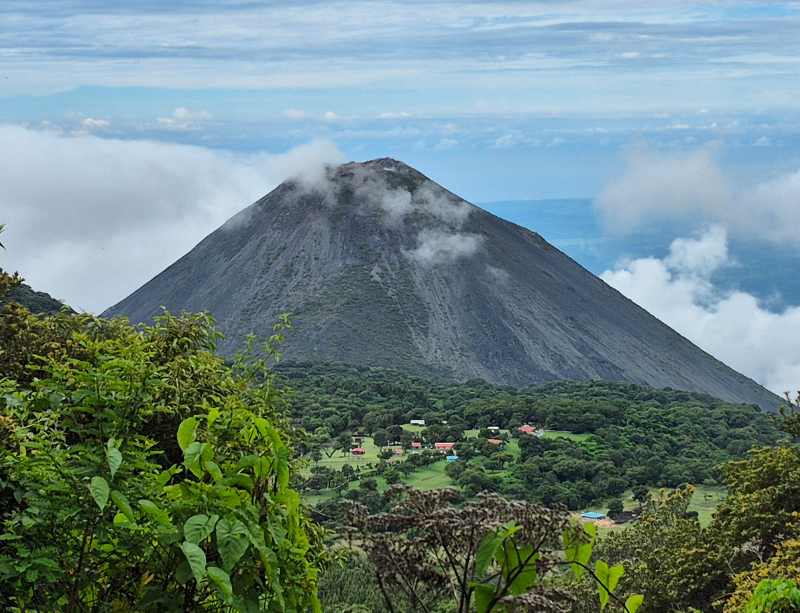
El Salvador offers some of the most spectacular conical volcano views, most picturesque jungle waterfalls, and prettiest colonial villages in all of Latin America.

La Ruta de las Flores

  • The ‘Route of Flowers’ winds for 21km (35km) through seven charming villages, surrounded by jungle and waterfalls, in the Western highlands of El Salvador. So-called because of the colourful flowers along the way, the Ruta de las Flores is in full bloom late November to February.
  • Each of the Ruta de las Flores villages, such as Apaneca and Nahuizalco, has its own vibe. Ataco is arguably the prettiest, with with colourful murals, a wealth of independent shops to browse and many cafes to choose from.
  • The villages are alive with tradition, such as basket weaving, indigo dyeing, and cigar rolling; all of which are entirely authentic.
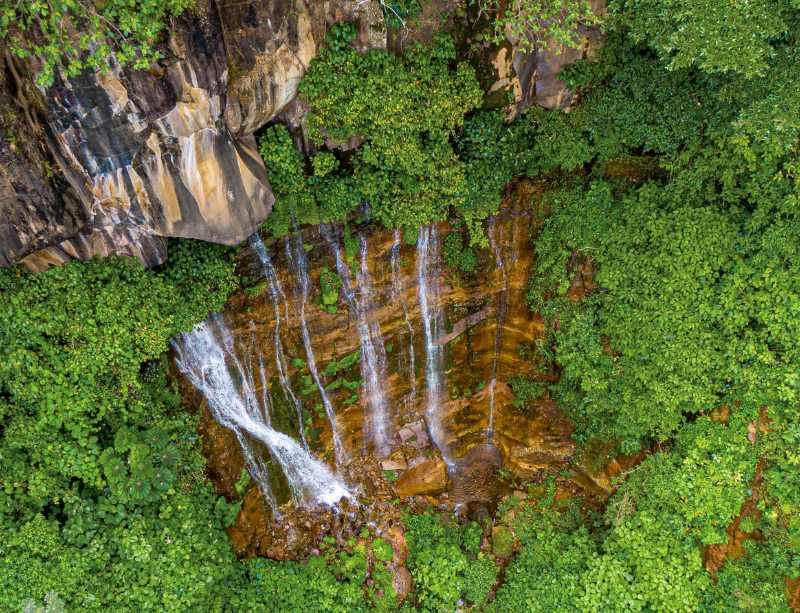
  • Jungle paths lead from several of the towns. Follow them to discover picturesque hidden waterfalls with brisk bathing pools. To pick just one, Chorros de la Caldera, is particularly beautiful and just a 20-minute amble away from the town of Juayúa. The whole Seven Waterfalls hike from Juayúa takes about five hours, through coffee country with a fantastic view of the three local volcanoes. The adventurous can rappel down El Bebedero at the end.

Suchitoto

  • A 2-hour drive from San Salvador, Suchitoto – the nation’s original capital – is the jewel in the crown of the country’s colourful, cobblestone villages. This classic colonial town of red roofs and pastel facades retains its lazy, local feel. With its atmospheric architecture, welcoming plazas and friendly locals, this is an (as yet) unspoilt gem. With the still nascent level of tourism – you’ll barely see another foreigner here – the town buzzes with its day to day life. You feel welcome, and its easy to relax into the pace of life, pottering between sunlit squares, little family-run shops and streetside cafes.


Los Tercios Waterfall

  • Just 10 minutes from Suchitoto, this is a must see, and is most impressive after rainfall. A waterfall plunges over a curtain of hexagonal columns. The formation is the result of volcanic activity; or is it, as local lore has it, the product of a family feud and a petrifying curse?

Santa Ana volcano Hike

  • Hike the 4-hour roundtrip trail up Santa Ana through cloudforest, dry forest and open rocky stretches. At the summit, wait for the cloud to disperse to reveal the fantastic views over the valley below, the glittering lake Coatepeque, and the soaring Cerro Verde and Izalco volcanoes. Edge your way right to the very rim of the crater to peer down into the spectacular milky blue crater lake. This trek is an true highlight, for adults and energetic children alike.

San Salvador Volcano

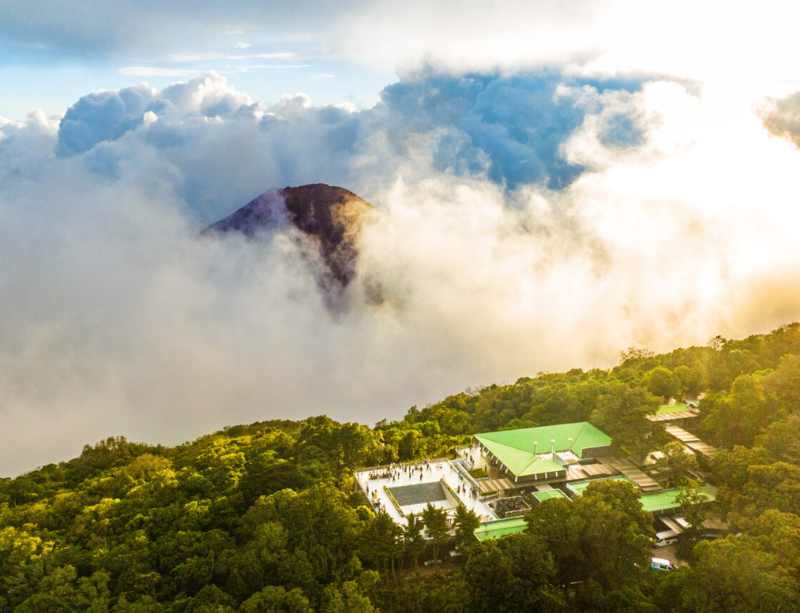
  • A 50-minute drive from the capital, this perfectly conical volcano offers spectacular views in just a 20 minute ascent. View the crater from a mirador and glass walkway at the top. The steeply sloping crater sides are dense with vegetation, with the ‘blow hole’ cinder cone of the volcano (which last erupted in 1917) still clearly visible in the centre.

Where to stay in El Salvador?

There are upmarket stays in El Salvador, but you have to know where to go. When you find a good place to stay, you won’t want to leave. Our favourites – tried and tested – are:

Hotel Los Almendros de San Lorenzo, Suchitoto.

This is the best of the boutique hotels in Suchitoto. Owned by Salvadorean-French couple, there is a lot of artistic flair, with verdant internal courtyards and terraces, and an attractive pool. Each of its eleven rooms is imbued with a different character.

Intercontinental, San Salvador

This is one of the best options in the capital. While an international brand, it has a lot going for it: it’s 25 mins walk to main square, the location is pleasant, service is good and the internal spaces are inviting. The three restaurants -Asian, Italian and Brazilian – are superb and worth a visit in themselves.

Cardedeu Hotel Centro Historico, San Salvador

Newly opened in 2025. This is the best luxury boutique option in the capital, located right in the historic centre.

Casa 1800 Hotel, Cerro Verde

This hotel has one of the best views in El Salvador, with both Izalco and Cerro Verde volcanoes rising through the jungle beyond your balcony. This is the ideal place to stay to hike the Santa Ana volcano (a trip highlight). While some groups stay here and daytrippers come for lunch, the location more than compensates.

The hotel was built in the best place to provide amazing views of Cerro Verde when it is erupting. While the eruptions stopped just as the hotel opened, the views remain spectacular.

Casa Degraciela Boutique Hotel, Ataco

The location is perfect: half a block from the main square in the pretty town of Ataco, on the Ruta de las Flores. This boutique hotel has an upscale rustic feel with exposed stone walls, traditional furniture, and plenty of quaint, cosy social areas.

Where to Eat in El Salvador

Best market food:

El Mercadito de Merliot, Santa Tecla

  • This is a true locals’ market, selling everything from fruit, vegetables and meats to household items. The eateries here are clean and authentic, buzzing with customers. Try true local dishes, like homely chicken soup.

Mercado del Mar

  • Just-caught seafood is sold in 20 little eateries in this market, by chefs who have perfected the art of preparing the freshest catch.

Best restaurants

Jaegerhaus Casa del Cazador, San Salvador

  • This characterful restaurant resonates with history. The decoration recalls the origins of the family, as expert hunting guides and firearms manufacturers, as they crossed continents to settle, several generations back, in El Salvador. The food is exceptional, the interior welcoming and quirky, and the service excellent.

Intercontinental, San Salvador

  • Although an international chain, this hotel is worth a mention. It houses three exceptional restaurants: Asian, Italian and Brazilian. The Brazilian in particular is fantastic, especially for its succulent meat dishes. The Intercontinental is 25 minutes’ walk away from Centro Historico, and well worth the diversion.

La Pampa Argentine Restaurant, El Boqueron National Park

  • Set in an attractive location with hummingbirds flitting through the garden, this restaurant offers high quality canapes, wine and meat dishes.

Interactive experiences in El Salvador

We felt spoilt for choice with the number of quirky, independent shops and workshops to visit. Family-run establishments welcome visitors in to show them how they work, and often let guests have a go. Interaction with local people here is very authentic, and often quite spontaneous, as they invite you to engage with them in their day-to-day lives.

Suchitoto

  • La Casa de la Abuela
    • A brilliant cafe and coffee specialist shop, run by the hugely knowledgeable René who is keen to impart his knowledge of café, moonshine and all things El Salvador. A great host and guide. It’s a lovely place to have a good coffee and people watch, just off the main square.
  • The Cigar Roller
    • An almost lost trade of hand rolling cigars, still done by one elderly lady (79 in 2025). She operates from a little tabaqueria which her daughter operates. They sell 10 cigars for about 3 USD; incredible!
  • Indigo Shop and Workshop
    • The last few ladies who perform this age-old craft let you join in to create your own material craftwork. It’s really fun to do this here as it’s a genuine local tradition.

Ataco

  • Pupusa Making
    • In a very simple little eatery, join a mother and daughter to make one of the nation’s most popular dishes.

Nahuizalco (Ruta de las Flores)

  • Basket Weaving Workshop
    • This is completely authentic: a workshop with locals sweating away at tough work. This is not staged or touristy; it’s a taste of a genuine craft. You get to try and make a simple item under their guidance.


How to travel around El Salvador?

Hire a driver:

Being the size of Wales / Massachusetts, El Salvador is easy to get around without having to take domestic flights. Roads are good and key points are well connected. With a knowledgeable private driver and guide for your trip, you can go by road to all the destinations on any well-constructed itinerary.

Explore from three bases:

We recommend basing yourself in at least three different places during your trip – San Salvador, Suchitoto and Coatepeque, and Bahia de Jiquilisco and Playa el Cuco on the coast if time is on your side. From here you can experience the surrounding highlights by car or on foot.
Archaeological sites in El Salvador

Tazumal

  • Tazumal dates back to 1,200 BC, and is the most important archaeological site in the country. You can climb parts of the pyramids and temple, and it’s a well maintained site. However, those who have travelled extensively in Latin America may find it is dwarfed by more impressive sites elsewhere, such as Tikal in Guatemala or Palenque in Mexico.
  • If a visit to an archeological site is firmly on your agenda, we’d recommend San Andres Archaeological Park. This was a regional capital in 600-900 AD. It’s a little similar to Teotihuacan in Mexico, although although a lot smaller, with one pyramid.

Joya de Cerén

  • Locals describe Joya de Cerén as the ‘Pompeii of the Americas’. This is a bit of a stretch of a comparison, however it was preserved in a similar way: by an eruption of Mount Ilopango 1500 years ago. The residents had followed their instincts prior to the eruption and evacuated, with no fatalities. The basic structures of 18 buildings have been uncovered.
  • The importance of this site is that, for the first time, the daily lives of Mesoamerican farmers – as opposed to ruling figures – have been revealed here, including the fact they used saunas!
  • While the findings are extraordinary, the actual site (while expanding) is still quite small and, to the layman, can look a little unimpressive, especially compared to other sites across the continent. It’s fascinating to read about, and those with a keen interest in archaeology will doubtless take a lot from a visit.

Why go to El Salvador:

What El Salvador holds claim to, more than any other Latin American country – beyond impressive surf – is its wealth of unspoilt, undiscovered colonial hillside villages, with their gentle rhythms of traditional daily life; its spectacular conical volcanoes which punctuate any viewpoint; and its hidden waterfalls which plummet through jungle undergrowth into bracing plunge pools below. And best of all – the fact that the secret’s not out yet.

Come here to be nearly the only tourist among jaw dropping scenery and quaint hillside towns.


See related blogs:


If you’d like to experience El Salvador for yourself, get in touch with us at LiNGER. We’ll tailor your trip to your style of travel and plan every detail around what matters to you.

LiNGER - ENRICHING LIFE THROUGH TRAVEL   Back


Looking for travel inspiration?

Sign up to our occasional newsletter, packed with insider tips, destination ideas, and off-the-beaten-track experiences

LiNGER - ENRICHING LIFE THROUGH TRAVEL   Sign Me Up


Get in touch to discuss your next trip


    *First Name:

    *Last Name:

    *E-mail Address:

    Phone Number:

    Vacation Type:

    Who will be travelling?

    Tell us more so we can better tailor our response, e.g. where, when, what kind of experiences?

    Want to sign up for our occasional newsletter without filling out the Contact Form? Simply click the button above the form to subscribe.


    Telephone: +44 (0) 20 7039 9240

    E-mail: travel@linger.co.uk

    167-169 Great Portland Street, 5th Floor, London, W1W 5PF


    LiNGER - To Top